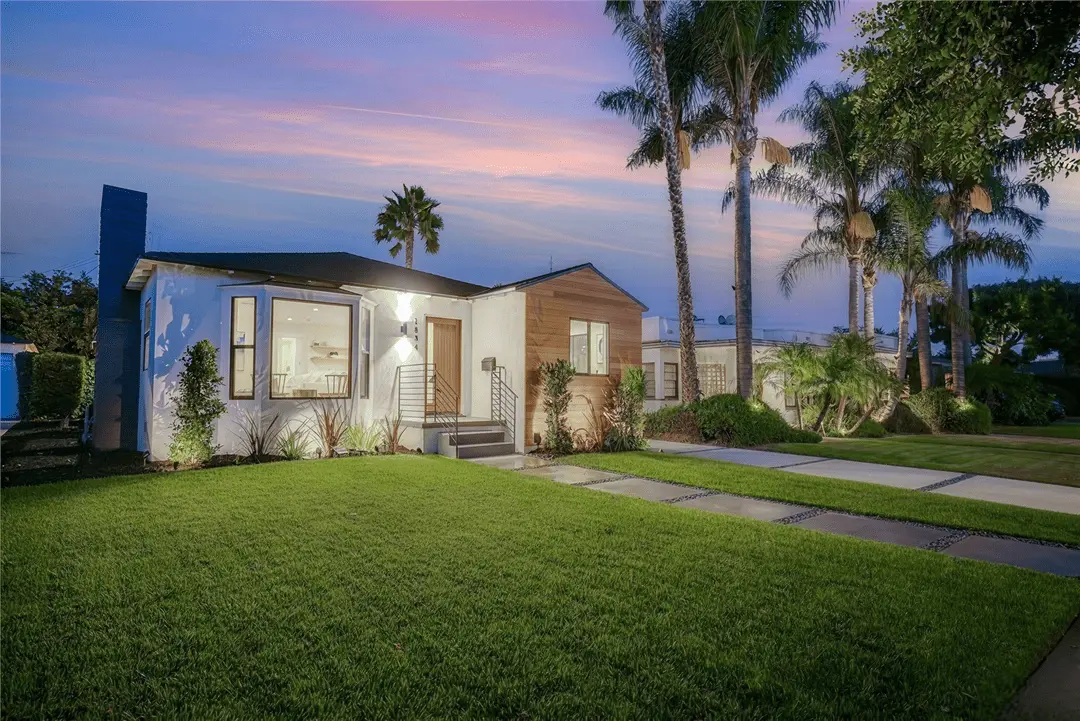
A well-structured home remodeling planner is the single most important tool you can have before breaking ground on any renovation project. Whether you are updating a single bathroom or undertaking a full structural overhaul, the difference between a smooth project and a costly disaster almost always comes down to preparation. In 2026, with material costs fluctuating and contractor demand at record highs, planning with precision is not optional – it is essential. This guide walks you through every critical phase of the remodeling process, from initial vision to final walkthrough, so you can move forward with confidence and clarity.
Why a Home Remodeling Planner Changes Everything
Most renovation projects that go over budget or over schedule do so because the planning phase was rushed or skipped entirely. A home remodeling planner forces you to think through every decision before a single wall comes down. It aligns your vision with your budget, your timeline with contractor availability, and your design choices with structural realities. Furthermore, it gives every party involved a shared reference point that reduces miscommunication and costly change orders.
At Blackwall Builders, we have seen firsthand how clients who arrive with a clear plan consistently achieve better outcomes. Projects finish closer to budget, timelines hold, and the final result reflects the original vision rather than a series of compromises made under pressure. The investment of time in planning pays dividends throughout every phase of construction.
Phase 1 – Define Your Vision and Set Clear Goals
Before contacting a single contractor, spend time defining exactly what you want to achieve. Are you remodeling to increase resale value, to improve daily functionality, or to elevate the aesthetic of your home? Each goal leads to different decisions. A kitchen remodel designed for resale will prioritize neutral finishes and broad appeal, while one designed for personal enjoyment might feature custom cabinetry and professional-grade appliances.
Document your priorities in writing. List the rooms or areas involved, the outcomes you expect, and any non-negotiables. Collect visual references from design platforms, showrooms, and completed projects. The more specific your vision, the more accurately a contractor can price and plan the work. Vague briefs produce vague results.
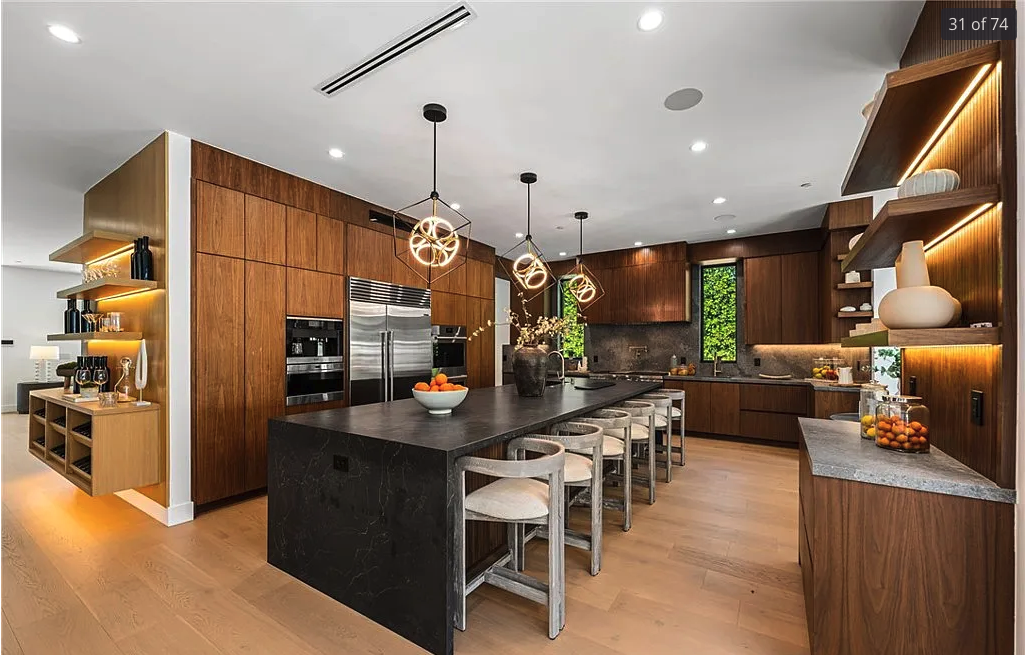
A detailed home remodeling planner ensures every phase of your renovation is executed with precision.
Phase 2 – Establish a Realistic Budget
Budget is the foundation of every remodeling decision. Without a clear financial framework, even the most beautiful design concept will collapse under the weight of unexpected costs. Begin by researching average costs for your specific project type in your region. Then add a contingency buffer of 15 to 20 percent for unforeseen conditions.
Separate your budget into hard costs and soft costs. Be honest about what you can afford and communicate that number clearly to your contractor from the first conversation. A reputable builder will help you prioritize scope to stay within budget rather than encourage you to overspend.
For high-end renovations, consider consulting a luxury home remodelers near me directory such as the NAHB verified builder resource to identify qualified professionals with transparent pricing practices.
The most expensive mistake homeowners make is starting construction before the budget is fully stress-tested. Every dollar you spend on planning saves three dollars in change orders during construction.
Senior Project Manager, Blackwall Builders
Phase 3 – Research and Hire the Right Contractor
Selecting the right contractor is arguably the most consequential decision in your entire remodeling process. A skilled, communicative, and licensed contractor will protect your investment and deliver results that match your vision. Begin by requesting referrals from trusted sources, then verify licenses, insurance, and past project portfolios before scheduling any meetings.
During initial consultations, pay close attention to how each contractor communicates. Do they ask detailed questions about your goals? Do they offer transparent pricing breakdowns? Our team at Blackwall Builders full-service remodeling division operates with complete transparency at every stage, from first consultation through final inspection.
Also review completed work in person when possible. Photographs can be misleading, but standing inside a finished kitchen or bathroom tells you everything about craftsmanship quality. Ask for references and actually call them. Past clients will tell you what no portfolio ever will.
Phase 4 – Permits, Timelines, and Logistics
Permits are not optional. Any structural work, electrical upgrades, plumbing changes, or additions require municipal approval before work begins. Skipping permits creates serious liability for resale and for insurance claims. Your contractor should handle the permitting process, but you should confirm they have been obtained before construction starts.
Build a realistic project timeline with your contractor and identify the critical path. For example, cabinetry must be ordered before countertops can be templated, and countertops must be installed before a backsplash can be tiled. Understanding these dependencies helps you anticipate delays and respond proactively.
Plan your living arrangements carefully. For inspiration on what a well-executed project looks like, browse our completed renovation portfolio.
The following chart illustrates the return on investment for the most impactful remodeling projects in 2025, based on data from the JLC Cost vs. Value report. Understanding which upgrades deliver the strongest financial returns can help you prioritize your remodeling budget strategically.
Top Remodeling Projects by ROI (2025)
Source: RubyHome / JLC Cost vs. Value 2025 – RubyHome Home Remodeling Statistics
Phase 5 – Managing the Remodel and Final Walkthrough
Once construction begins, your role shifts from planner to active project participant. Schedule regular check-ins with your contractor weekly to review progress against the timeline, address any emerging issues, and approve decisions that arise in the field. Keep a written log of all conversations, approvals, and changes.
When the project nears completion, conduct a thorough punch list walkthrough with your contractor before making any final payment. Walk through every room methodically, test every fixture, open every door and drawer, and document anything that does not meet the agreed standard.
For kitchen and bathroom projects specifically, review our detailed guide on how to hire a kitchen remodeler to understand what a professional finish should look like. Additionally, our resource on what makes a home renovation successful outlines the quality benchmarks that separate exceptional work from average results.

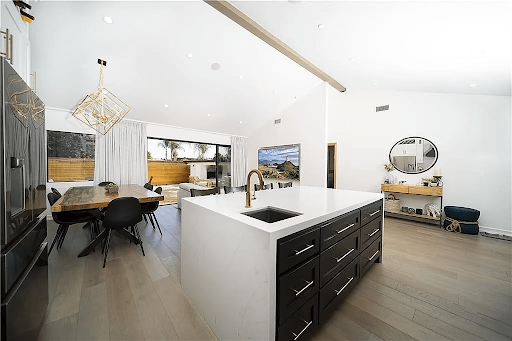
Blackwall Builders delivers high-end remodeling results through meticulous planning and expert craftsmanship.
A final walkthrough is not a formality – it is your last opportunity to ensure every detail meets the standard you paid for. The best contractors welcome this scrutiny because it reflects the quality of their work.
Lead Construction Supervisor, Blackwall Builders
Frequently Asked Questions
1. What should a home remodeling planner include?
A comprehensive home remodeling planner should include your project goals, a detailed budget with contingency, a contractor shortlist with vetting criteria, a permit checklist, a project timeline with milestones, a materials and finishes selection log, and a punch list template for the final walkthrough.
2. How far in advance should I start planning a major remodel?
For a major remodel such as a full kitchen renovation, bathroom overhaul, or structural addition, begin planning at least six to twelve months before your target start date. This allows time for contractor vetting, design development, material lead times, and permit approvals.
3. How do I find luxury home remodelers near me?
To find qualified luxury home remodelers near me, start with referrals from trusted sources such as architects, interior designers, or neighbors who have completed similar projects. Verify credentials through the NAHB or your state licensing board and always request a detailed written proposal before signing any contract.
4. What is a realistic contingency budget for a home remodel?
Industry professionals consistently recommend a contingency of 15 to 20 percent of your total project budget. For older homes or projects involving structural work, 20 percent is the safer figure. This buffer covers unforeseen conditions such as hidden water damage, outdated electrical systems, or structural issues discovered during demolition.
5. Which remodeling projects offer the best return on investment?
According to the 2025 JLC Cost vs. Value report, garage door replacement, steel entry door replacement, and manufactured stone veneer consistently deliver the highest ROI – often exceeding 200 percent. Minor kitchen remodels and fiber-cement siding replacements also perform strongly.
6. Do I need permits for a home remodel?
Yes. Any work involving structural changes, electrical upgrades, plumbing modifications, or additions requires municipal permits before construction begins. Unpermitted work creates liability during resale and can void homeowner insurance claims.
7. How do I evaluate a contractor proposal?
A strong contractor proposal should include a detailed scope of work, itemized cost breakdown, payment schedule tied to project milestones, projected timeline with key dates, change order procedures, and proof of licensing and insurance.
8. What is the most important step in a home remodeling planner?
The most important step in any home remodeling planner is defining your goals and budget before engaging any contractors. Every subsequent decision flows from this foundation. Homeowners who invest time in this phase consistently report higher satisfaction with their finished projects.
Ready to Start Your 2026 Remodel?
Blackwall Builders specializes in high-end kitchen and bathroom remodels, structural renovations, and custom home builds. Let our team help you plan and execute a project that reflects your vision and exceeds your expectations.


 1
1